U.S.-China Relations in 2024: Managing Competition without Conflict
From 2018 to 2023, U.S.-China relations were in a linear downward spiral. The trade war, the pandemic, growing technology competition, rising tensions in the South China Sea and the Taiwan Strait, and contrasting approaches to the Russia-Ukraine conflict have collectively fed a sense of fatalism that the countries were heading toward the abyss of outright economic decoupling and a disastrous military conflict.
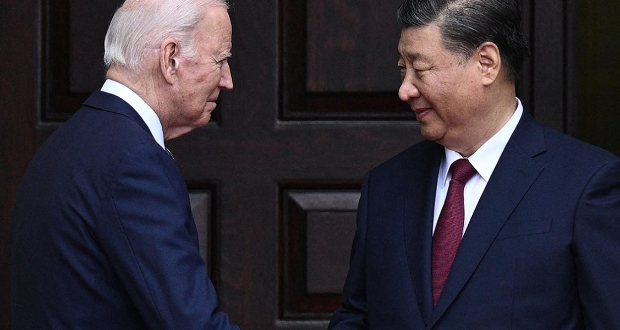
The summit meeting between Presidents Joe Biden and Xi Jinping held in November near San Francisco, just in advance of the APEC Economic Leaders’ Week, was the culmination of a year-long process that calmed the waters. The two sides announced a range of deliverables on economic and security issues and tried to convey a sense that they could effectively manage their differences. Although the United States and China are still engaged in a comprehensive contest for power and over setting the global rules of the game, guardrails are gradually being created, and as a result, the likelihood of the most disastrous outcomes has receded. Moreover, even though the chances of a genuine thaw that resolves fundamental differences and leads to greater cooperation are low, there also are underappreciated sources of structural stability that could keep relations from further deteriorating in the coming years. Nevertheless, it will take active diplomacy and some good luck to keep ties from fraying in 2024.
Surpassing Low Expectations
During their four-hour meeting on the Filoli Estate in Woodside, California, both Biden and Xi appeared to stick to their original positions on technology and economic security, Taiwan, Ukraine, human rights, and several other issues. At the same time, they were able to produce a series of deliverables exceeding the expectations of most analysts.
Based on the readouts from the White House and People’s Republic of China (PRC) media (Xinhua, Caixin), it appears that, at a minimum, the two sides agreed to several actions:
- Resume military-to-military dialogue through a variety of channels and on a number of specific topics.
- Commit to accelerate efforts to expand renewable energy and reduce carbon emissions, including from methane and other greenhouse gases, in accordance with the joint statement issued at Sunnylands just before the bilateral meeting.
- Restore and expand cooperation on countering the production and trafficking of fentanyl and other narcotics.
- Step up discussions to minimize risks related to artificial intelligence.
- Push for more direct flights between the two countries and expand people-to-people exchanges.
- Begin consultations aimed at renewing the U.S.-China Science and Technology Cooperation Agreement, which is set to expire in late February 2024.
Beyond specific actions, the two sides adjusted the tone of how they frame the relationship. The Biden administration’s readout said the two sides “are in competition,” dropping the previously ubiquitous adjective “strategic” from the characterization of ties. U.S. officials have continued to avoid using the “s” word in public statements. In place of the highly critical language about the United States and the Biden administration that have been dominant in the past few years, Chinese state media coverage has consistently highlighted the friendly and respectful nature of the meeting and has presented a hopeful vision for future ties. Chinese ambassador Xie Feng’s speech to the U.S.-China Business Council’s annual gala in mid-December is perhaps the best example of this major shift in tone.
India targets net-zero carbon emissions by 2070, says Modi
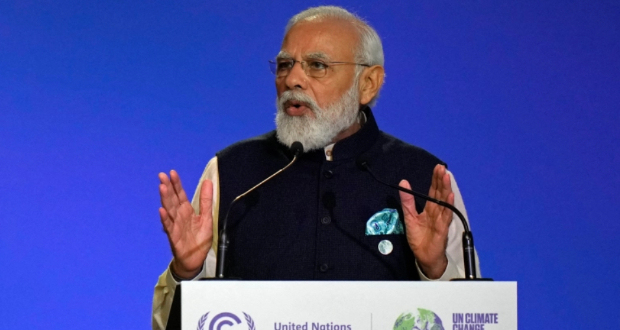
India’s economy will become carbon neutral by the year 2070, the country’s prime minster has announced at the COP26 climate crisis summit in Glasgow. The target date is two decades beyond what scientists say is needed to avert catastrophic climate impacts. India is the last of the world’s major carbon polluters to announce a net-zero target, with China saying it would reach that goal in 2060, and the United States and the European Union aiming for 2050.
COP26: What climate summit means for one woman in Bangladesh

China's carbon emissions are vast and growing, dwarfing those of other countries. Experts agree that without big reductions in China's emissions, the world cannot win the fight against climate change. In 2020, China's President Xi Jinping said his country would aim for its emissions to reach their highest point before 2030 and for carbon neutrality before 2060. His statement has now been confirmed as China's official position ahead of the COP26 global climate summit in Glasgow. But China has not said exactly how these goals will be achieved.
Why China's climate policy matters to us all
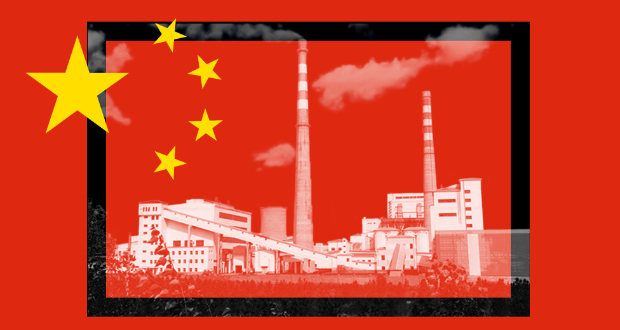
China's carbon emissions are vast and growing, dwarfing those of other countries. Experts agree that without big reductions in China's emissions, the world cannot win the fight against climate change. In 2020, China's President Xi Jinping said his country would aim for its emissions to reach their highest point before 2030 and for carbon neutrality before 2060. His statement has now been confirmed as China's official position ahead of the COP26 global climate summit in Glasgow. But China has not said exactly how these goals will be achieved.
Deliver on promises, developing world tells rich at climate talks

A crucial U.N. conference heard calls on its first day for the world's major economies to keep their promises of financial help to address the climate crisis, while big polluters India and Brazil made new commitments to cut emissions. World leaders, environmental experts and activists all pleaded for decisive action to halt the global warming which threatens the future of the planet at the start of the two-week COP26 summit in the Scottish city of Glasgow on Monday. The task facing negotiators was made even more daunting by the failure of the Group of 20 major industrial nations to agree ambitious new commitments at the weekend.