
Taiwan election: Kuomintang party asks voters to choose between war and peace
The rock music was booming, the dancers on stage were gyrating, and the crowd was going wild waving thousands of Taiwan flags.
The political rally held on Saturday for the Kuomintang's (KMT) candidate for the 13 January presidential election was in full swing.
"Give me a president!" shouted the host. "Hou You-ih!" the crowd roared.
As Mr Hou looked on, his running mate Jaw Shaw-kong took the microphone and launched a broadside against the ruling Democratic Progressive Party (DPP).
"What road are they taking? The road to war!" he said, wagging his finger. "The road that leads Taiwan into danger, the road that leads to uncertainty!"
As Taiwan edges closer to the election this weekend, the KMT is banking on convincing voters they face a choice between war and peace with China.
Beijing claims the self-ruled island as its own, and while it promotes "peaceful reunification" it has also not ruled out the use of force in taking Taiwan.
In the last eight years of pro-sovereignty DPP rule, China has relentlessly ramped up its military presence around Taiwan, conducting what is known as greyzone warfare.
The DPP has countered that they also want peace and stability - while maintaining Taiwan's path of progress.
A recent viral campaign advertisement showed outgoing President Tsai Ing-wen calmly driving on quiet country roads with her party's presidential candidate William Lai. She then gets out and Mr Lai takes the wheel with his running mate Hsiao Bi-Khim by his side. "Drive better than me," Ms Tsai urges them.
But some are sceptical he can do the job.
At the KMT rally in Taoyuan, an area known for its hardcore supporters, many of those interviewed by the BBC were more concerned with the economy and cost of living. But relations with China also loomed large.
"I didn't use to think there could be war, but now we have this possibility and it's scary. The DPP is just too aggressive, I want to go back to peace with the KMT," said Ms Shi, a 45-year-old service worker accompanying her parents.
"We need to learn from China and how they take care of their citizens. Look at their high-speed railways, their infrastructure. China is so advanced, even their phones are better. We don't have that," said a 58-year-old woman named Ms Tu.
India targets net-zero carbon emissions by 2070, says Modi
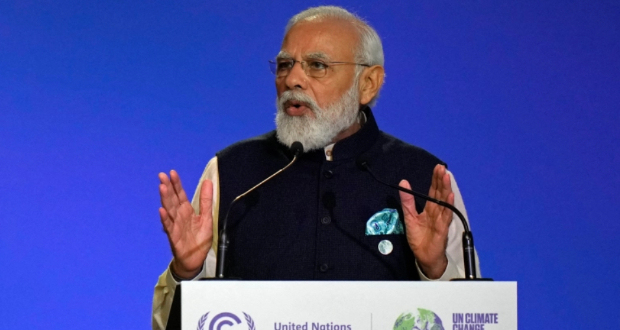
India’s economy will become carbon neutral by the year 2070, the country’s prime minster has announced at the COP26 climate crisis summit in Glasgow. The target date is two decades beyond what scientists say is needed to avert catastrophic climate impacts. India is the last of the world’s major carbon polluters to announce a net-zero target, with China saying it would reach that goal in 2060, and the United States and the European Union aiming for 2050.
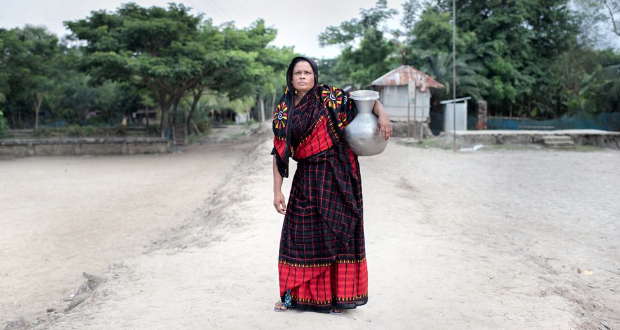
COP26: What climate summit means for one woman in Bangladesh
China's carbon emissions are vast and growing, dwarfing those of other countries. Experts agree that without big reductions in China's emissions, the world cannot win the fight against climate change. In 2020, China's President Xi Jinping said his country would aim for its emissions to reach their highest point before 2030 and for carbon neutrality before 2060. His statement has now been confirmed as China's official position ahead of the COP26 global climate summit in Glasgow. But China has not said exactly how these goals will be achieved.
Why China's climate policy matters to us all
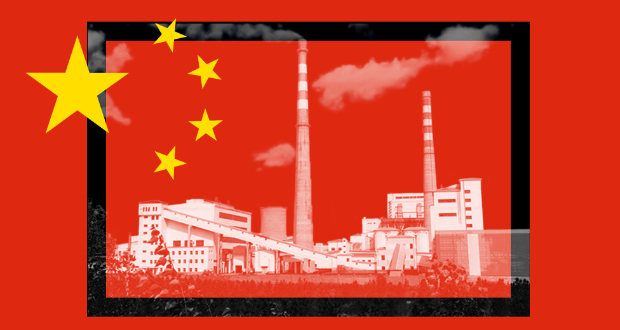
China's carbon emissions are vast and growing, dwarfing those of other countries. Experts agree that without big reductions in China's emissions, the world cannot win the fight against climate change. In 2020, China's President Xi Jinping said his country would aim for its emissions to reach their highest point before 2030 and for carbon neutrality before 2060. His statement has now been confirmed as China's official position ahead of the COP26 global climate summit in Glasgow. But China has not said exactly how these goals will be achieved.
Deliver on promises, developing world tells rich at climate talks

A crucial U.N. conference heard calls on its first day for the world's major economies to keep their promises of financial help to address the climate crisis, while big polluters India and Brazil made new commitments to cut emissions. World leaders, environmental experts and activists all pleaded for decisive action to halt the global warming which threatens the future of the planet at the start of the two-week COP26 summit in the Scottish city of Glasgow on Monday. The task facing negotiators was made even more daunting by the failure of the Group of 20 major industrial nations to agree ambitious new commitments at the weekend.