
Red Sea crisis could shatter hopes of global economic recovery
A prolonged conflict in the Red Sea and escalating tensions across the Middle East risk having devastating effects on the global economy, reigniting inflation and disrupting energy supplies, some of the world’s leading economists warn this weekend.
Before a statement expected on Monday by Rishi Sunak in the House of Commons about UK and US airstrikes on Houthi sites in Yemen, economists at the World Bank say the crisis now threatens to feed through into higher interest rates, lower growth, persistent inflation and greater geopolitical uncertainty.
After a second night of strikes against the Iranian-backed rebels in Yemen, President Joe Biden said that the US had sent a private message to Tehran that “we’re confident we’re well prepared”. Speaking to reporters on the White House lawn on Saturday, on his way to Camp David, Biden declined to go into further detail.
But there is now growing concern in government circles in London and Washington that as Sunak and Biden fight for re-election, events in the Middle East could dash what had looked like improved prospects for economic recovery and therefore their chances at the ballot box.
While the airstrikes against Houthi targets in Yemen have broad cross-party support at Westminster, Sunak will face questions from anxious MPs about a prolonged conflict and the longer-term plan for Middle East peace. Some leftwing Labour MPs are expected to put Keir Starmer under pressure over why he backed the military strikes having said that he would only support such action after parliament had voted in favour of it.
India targets net-zero carbon emissions by 2070, says Modi
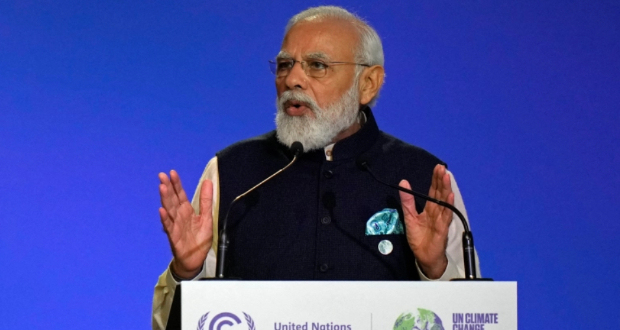
India’s economy will become carbon neutral by the year 2070, the country’s prime minster has announced at the COP26 climate crisis summit in Glasgow. The target date is two decades beyond what scientists say is needed to avert catastrophic climate impacts. India is the last of the world’s major carbon polluters to announce a net-zero target, with China saying it would reach that goal in 2060, and the United States and the European Union aiming for 2050.
COP26: What climate summit means for one woman in Bangladesh

China's carbon emissions are vast and growing, dwarfing those of other countries. Experts agree that without big reductions in China's emissions, the world cannot win the fight against climate change. In 2020, China's President Xi Jinping said his country would aim for its emissions to reach their highest point before 2030 and for carbon neutrality before 2060. His statement has now been confirmed as China's official position ahead of the COP26 global climate summit in Glasgow. But China has not said exactly how these goals will be achieved.
Why China's climate policy matters to us all
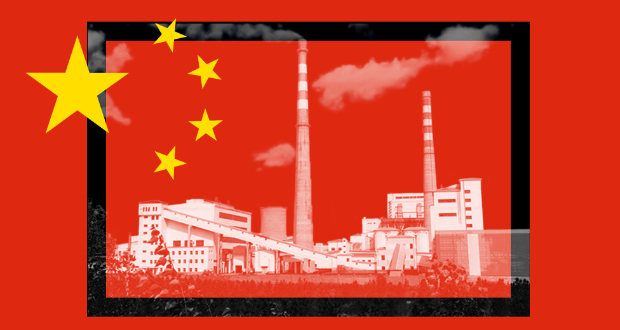
China's carbon emissions are vast and growing, dwarfing those of other countries. Experts agree that without big reductions in China's emissions, the world cannot win the fight against climate change. In 2020, China's President Xi Jinping said his country would aim for its emissions to reach their highest point before 2030 and for carbon neutrality before 2060. His statement has now been confirmed as China's official position ahead of the COP26 global climate summit in Glasgow. But China has not said exactly how these goals will be achieved.
Deliver on promises, developing world tells rich at climate talks

A crucial U.N. conference heard calls on its first day for the world's major economies to keep their promises of financial help to address the climate crisis, while big polluters India and Brazil made new commitments to cut emissions. World leaders, environmental experts and activists all pleaded for decisive action to halt the global warming which threatens the future of the planet at the start of the two-week COP26 summit in the Scottish city of Glasgow on Monday. The task facing negotiators was made even more daunting by the failure of the Group of 20 major industrial nations to agree ambitious new commitments at the weekend.