
Transition to renewable energy for Bangladesh
Bangladesh is set to suffer in the long run from severe impacts of climate change, particularly increased flooding related to sea-level rise and storm surges. The current floods and heat waves are a harbinger of worse climatic conditions. As a remedial measure, the country is planning to cut off the greenhouse emission by 15 per cent from a Business as Usual (BAU) level by 2030. But the transition to renewable energy leaves a lot to be desired. Recent energy crisis worldwide could accelerate the use of renewable energy which seems to be the only sustainable solution right now. The energy fabrication from renewable sources is comparatively small in Bangladesh. The World Bank report says, the electricity production from renewable energy was just 1.2 per cent of total power generation in 2015 which was 11.4 per cent in 1990. The portion of renewable electricity generation in the overall power production is lessening each year. Renewable energies for instance, solar, biogas, wind, and hydroelectric power are the most prevalent renewable energy sources in Bangladesh at present. The Karnaphuli Hydro Power Station is the only power plant that harvests 230 MW of electrical energy for the country. Energy from wind is obtained largely in coastal localities and off coastline parts where wind dominance prevails. Currently two areas of the country for instance, Feni and Kutubdia have 2MW of proven wind energy generation turbines. An extra 50-200 MW from wind turbine is under development at Parky Beach. Moreover, the country has the capability to construct 30 GW of onshore and offshore wind energy. There are additional sources of renewable energy in the country, amongst which biogas has some prospects and is mostly accumulated from animal and municipal waste as part of sustainable waste management. The other highly prospective source can be sunlight. A recent SREDA report states that the country could cultivate 30 GW of solar energy by 2041.
India targets net-zero carbon emissions by 2070, says Modi
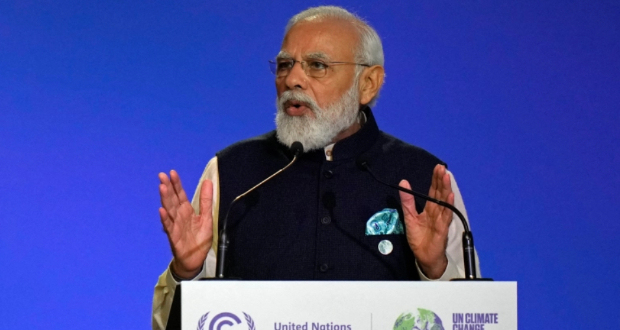
India’s economy will become carbon neutral by the year 2070, the country’s prime minster has announced at the COP26 climate crisis summit in Glasgow. The target date is two decades beyond what scientists say is needed to avert catastrophic climate impacts. India is the last of the world’s major carbon polluters to announce a net-zero target, with China saying it would reach that goal in 2060, and the United States and the European Union aiming for 2050.
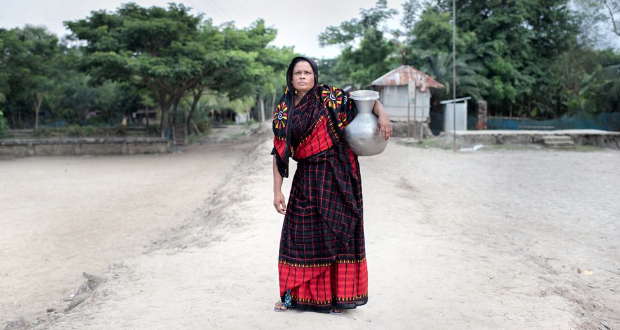
COP26: What climate summit means for one woman in Bangladesh
China's carbon emissions are vast and growing, dwarfing those of other countries. Experts agree that without big reductions in China's emissions, the world cannot win the fight against climate change. In 2020, China's President Xi Jinping said his country would aim for its emissions to reach their highest point before 2030 and for carbon neutrality before 2060. His statement has now been confirmed as China's official position ahead of the COP26 global climate summit in Glasgow. But China has not said exactly how these goals will be achieved.
Why China's climate policy matters to us all

China's carbon emissions are vast and growing, dwarfing those of other countries. Experts agree that without big reductions in China's emissions, the world cannot win the fight against climate change. In 2020, China's President Xi Jinping said his country would aim for its emissions to reach their highest point before 2030 and for carbon neutrality before 2060. His statement has now been confirmed as China's official position ahead of the COP26 global climate summit in Glasgow. But China has not said exactly how these goals will be achieved.
Deliver on promises, developing world tells rich at climate talks

A crucial U.N. conference heard calls on its first day for the world's major economies to keep their promises of financial help to address the climate crisis, while big polluters India and Brazil made new commitments to cut emissions. World leaders, environmental experts and activists all pleaded for decisive action to halt the global warming which threatens the future of the planet at the start of the two-week COP26 summit in the Scottish city of Glasgow on Monday. The task facing negotiators was made even more daunting by the failure of the Group of 20 major industrial nations to agree ambitious new commitments at the weekend.