
Poker, not chess, is the name of the game in the Indo-Pacific
The heightening tension between the United States and China is pulling Indo-Pacific nations into one or the other camp, but it’s too soon to give in to the idea that it has become a bipolar region. Some countries, Indonesia for one, still believe that the region has not been completely divided into two camps and that active multilateralism could stop the ongoing polarization and prevent the cold war from turning into a hot war. Beijing appears to be already thinking of the region as a theater for the hegemonic contest with Washington. At least that’s what Chinese Foreign Minister Wang Yi implied in his speech in Jakarta at the ASEAN secretariat last week, when he said, “We should insulate this region from geopolitical calculations […] from being used as chess pieces from major power rivalry and from coercion.” The analogy to chess implies that nations should stay out of the rivalry, rather than joining the game as chess pieces, whether as pawns, bishops, knights or rooks. And chess being a strategic board game, the speech is revealing of how Beijing sees its rivalry with the US. One could assume that Washington is only happy to play a game in which there really are only two players. Playing chess means simplifying and reducing the expansive, diverse and complex Indo-Pacific region into either black or white pieces. You are either with one or the other side, or you just stay out and watch.
India targets net-zero carbon emissions by 2070, says Modi
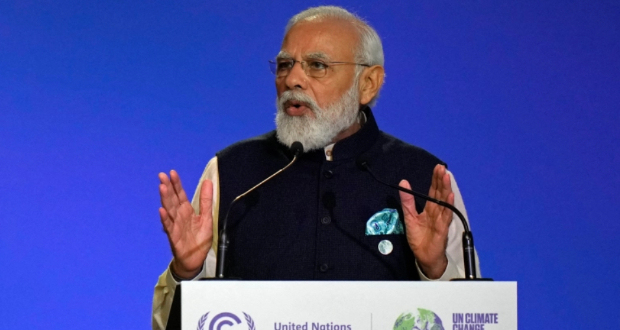
India’s economy will become carbon neutral by the year 2070, the country’s prime minster has announced at the COP26 climate crisis summit in Glasgow. The target date is two decades beyond what scientists say is needed to avert catastrophic climate impacts. India is the last of the world’s major carbon polluters to announce a net-zero target, with China saying it would reach that goal in 2060, and the United States and the European Union aiming for 2050.
COP26: What climate summit means for one woman in Bangladesh
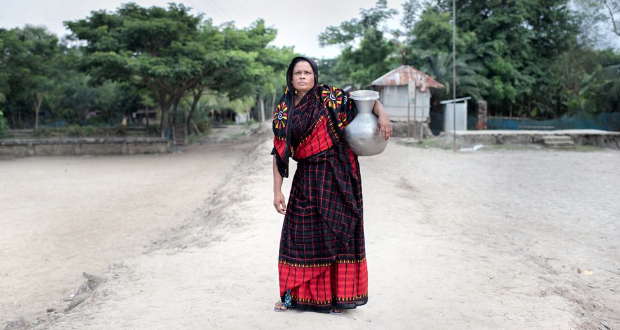
China's carbon emissions are vast and growing, dwarfing those of other countries. Experts agree that without big reductions in China's emissions, the world cannot win the fight against climate change. In 2020, China's President Xi Jinping said his country would aim for its emissions to reach their highest point before 2030 and for carbon neutrality before 2060. His statement has now been confirmed as China's official position ahead of the COP26 global climate summit in Glasgow. But China has not said exactly how these goals will be achieved.
Why China's climate policy matters to us all
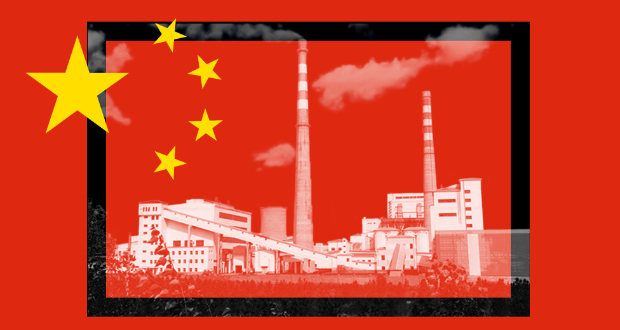
China's carbon emissions are vast and growing, dwarfing those of other countries. Experts agree that without big reductions in China's emissions, the world cannot win the fight against climate change. In 2020, China's President Xi Jinping said his country would aim for its emissions to reach their highest point before 2030 and for carbon neutrality before 2060. His statement has now been confirmed as China's official position ahead of the COP26 global climate summit in Glasgow. But China has not said exactly how these goals will be achieved.
Deliver on promises, developing world tells rich at climate talks

A crucial U.N. conference heard calls on its first day for the world's major economies to keep their promises of financial help to address the climate crisis, while big polluters India and Brazil made new commitments to cut emissions. World leaders, environmental experts and activists all pleaded for decisive action to halt the global warming which threatens the future of the planet at the start of the two-week COP26 summit in the Scottish city of Glasgow on Monday. The task facing negotiators was made even more daunting by the failure of the Group of 20 major industrial nations to agree ambitious new commitments at the weekend.