
The bitter cost of the Ukraine crisis
It is an armed conflict that has plunged Europe in a refugee crisis unprecedented in recent times. As fighting rages on in Ukraine, thousands of civilians have been killed with over 9.5 million people forced to flee their homes and seek refuge in foreign lands as of 19 July. Children are paying a high price, with hundreds having been killed since 24 February. A new twist to the conflict has emerged with reports showing that millions of Ukrainian refugees are returning to the war-torn country. While for some, this may be a case of returning to check on family assets and visit loved ones before going back to their countries of refuge, it may not be the case for others previously evacuated from hotspots such as Kharkiv and Chuhuiv. Many of these latter returnees have said hardships experienced in some temporary safety shelters necessitated their sojourn back home despite persistent security concerns and worsening humanitarian conditions. This decision to brave the dangers at home points to possible gaps in the humanitarian access and provision of assistance, which need to be assessed and fully addressed by all humanitarian actors in collaboration with all parties to the conflict. On the other hand, in the five months, since the fighting started, the crisis continues to push back the gains made in promoting global peace and sustainable development following the end of World War II in 1945. Endangering the defences of global peace, the very foundations of the United Nations have been shaken, putting to the test the level of compliance to International Humanitarian Law and other international peace-seeking instruments agreed on by many states. Nations have been divided, the global economy and financial markets destabilised, and global grain supplies and food security thrust into jeopardy.
India targets net-zero carbon emissions by 2070, says Modi
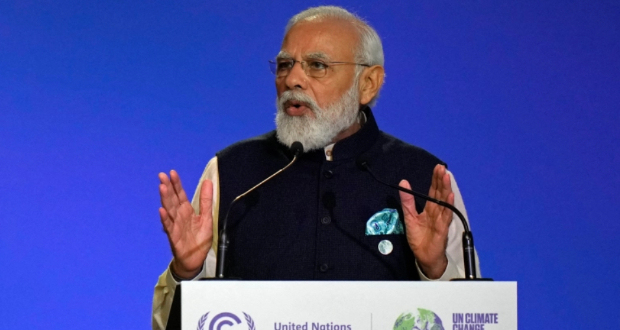
India’s economy will become carbon neutral by the year 2070, the country’s prime minster has announced at the COP26 climate crisis summit in Glasgow. The target date is two decades beyond what scientists say is needed to avert catastrophic climate impacts. India is the last of the world’s major carbon polluters to announce a net-zero target, with China saying it would reach that goal in 2060, and the United States and the European Union aiming for 2050.
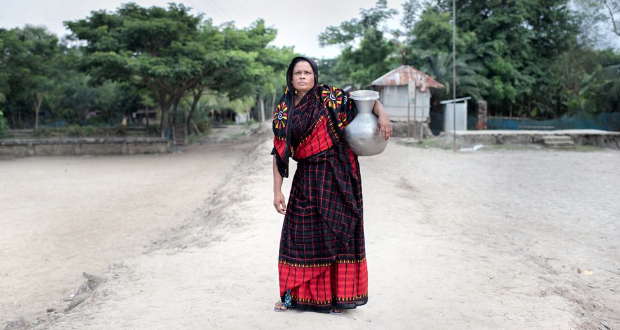
COP26: What climate summit means for one woman in Bangladesh
China's carbon emissions are vast and growing, dwarfing those of other countries. Experts agree that without big reductions in China's emissions, the world cannot win the fight against climate change. In 2020, China's President Xi Jinping said his country would aim for its emissions to reach their highest point before 2030 and for carbon neutrality before 2060. His statement has now been confirmed as China's official position ahead of the COP26 global climate summit in Glasgow. But China has not said exactly how these goals will be achieved.
Why China's climate policy matters to us all
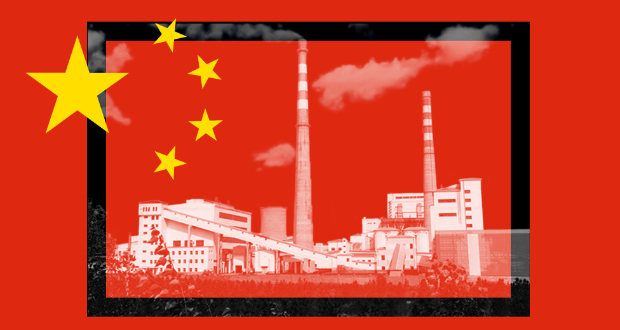
China's carbon emissions are vast and growing, dwarfing those of other countries. Experts agree that without big reductions in China's emissions, the world cannot win the fight against climate change. In 2020, China's President Xi Jinping said his country would aim for its emissions to reach their highest point before 2030 and for carbon neutrality before 2060. His statement has now been confirmed as China's official position ahead of the COP26 global climate summit in Glasgow. But China has not said exactly how these goals will be achieved.
Deliver on promises, developing world tells rich at climate talks

A crucial U.N. conference heard calls on its first day for the world's major economies to keep their promises of financial help to address the climate crisis, while big polluters India and Brazil made new commitments to cut emissions. World leaders, environmental experts and activists all pleaded for decisive action to halt the global warming which threatens the future of the planet at the start of the two-week COP26 summit in the Scottish city of Glasgow on Monday. The task facing negotiators was made even more daunting by the failure of the Group of 20 major industrial nations to agree ambitious new commitments at the weekend.