
There is a war going on against nature in Bangladesh
Imagine the worst thing that can happen to a city from an environmental point of view, and then multiply it by two. That, too, may not be enough to portray the disastrous transformation that Dhaka has been going through, with about 56 percent of its green spaces vanishing over the last three decades. That's the finding of a study covered in a recent report by The Daily Star. To convert it into numbers, the city had 12,745 hectares of vegetation in 1989. By 2020, it came down to just 5,599 hectares. The study reached this conclusion after analysing the historical changes of green spaces in the entire Dhaka metropolitan area. Such statistics, however shocking, bring clarity to an otherwise jumbled state of affairs involving a rapidly evolving landscape. Its population boom and aggressive urbanisation meant not only unplanned construction of roads, residential buildings and industries, but also a steady depletion of green spaces such as parks, open grounds, trees, croplands, roadside plants and areas covered in any green infrastructure. Since 1989, Dhaka's green spaces with dense forest declined from 17 percent to 2 percent, while green spaces with moderate forest declined from 24 percent to 16 percent. While an ideal city should have at least 25 percent green space coverage, Dhaka has only 8 percent, according to the United Nations Environment Programme. What happens when green spaces are encroached like this? Heat islands are created. As a result, Dhaka has witnessed a rise in temperature of nearly 3 degrees Celsius over the last 20 years – with its air, water and land pollutions rising to insane levels. This is a disturbing development, all thanks to our blind pursuit of development and poor urban planning. It's like we're waging a war against nature, not just in Dhaka but across the country as well. You see hills being levelled, waterbodies being filled or encroached, and forests being razed to the ground. Just as we write this, hills at the Holichhara tea garden in Kulaura, Moulvibazar are reportedly being cut to construct a road, without the approval of the Department of Environment.
India targets net-zero carbon emissions by 2070, says Modi
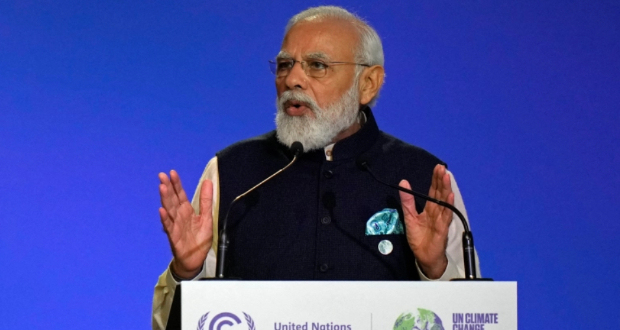
India’s economy will become carbon neutral by the year 2070, the country’s prime minster has announced at the COP26 climate crisis summit in Glasgow. The target date is two decades beyond what scientists say is needed to avert catastrophic climate impacts. India is the last of the world’s major carbon polluters to announce a net-zero target, with China saying it would reach that goal in 2060, and the United States and the European Union aiming for 2050.
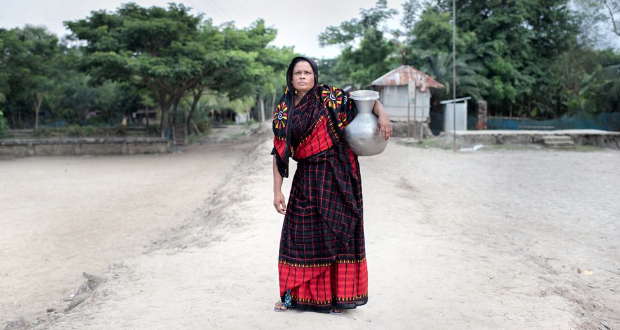
COP26: What climate summit means for one woman in Bangladesh
China's carbon emissions are vast and growing, dwarfing those of other countries. Experts agree that without big reductions in China's emissions, the world cannot win the fight against climate change. In 2020, China's President Xi Jinping said his country would aim for its emissions to reach their highest point before 2030 and for carbon neutrality before 2060. His statement has now been confirmed as China's official position ahead of the COP26 global climate summit in Glasgow. But China has not said exactly how these goals will be achieved.
Why China's climate policy matters to us all
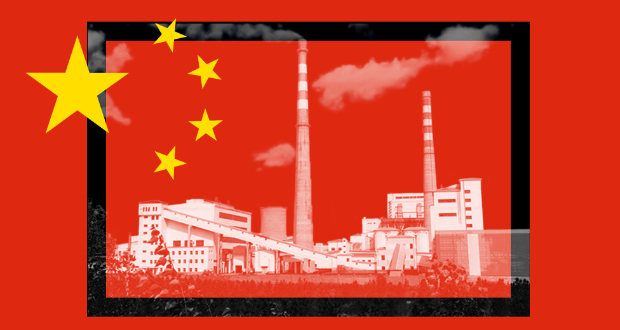
China's carbon emissions are vast and growing, dwarfing those of other countries. Experts agree that without big reductions in China's emissions, the world cannot win the fight against climate change. In 2020, China's President Xi Jinping said his country would aim for its emissions to reach their highest point before 2030 and for carbon neutrality before 2060. His statement has now been confirmed as China's official position ahead of the COP26 global climate summit in Glasgow. But China has not said exactly how these goals will be achieved.
Deliver on promises, developing world tells rich at climate talks

A crucial U.N. conference heard calls on its first day for the world's major economies to keep their promises of financial help to address the climate crisis, while big polluters India and Brazil made new commitments to cut emissions. World leaders, environmental experts and activists all pleaded for decisive action to halt the global warming which threatens the future of the planet at the start of the two-week COP26 summit in the Scottish city of Glasgow on Monday. The task facing negotiators was made even more daunting by the failure of the Group of 20 major industrial nations to agree ambitious new commitments at the weekend.