The urban climate change conundrum
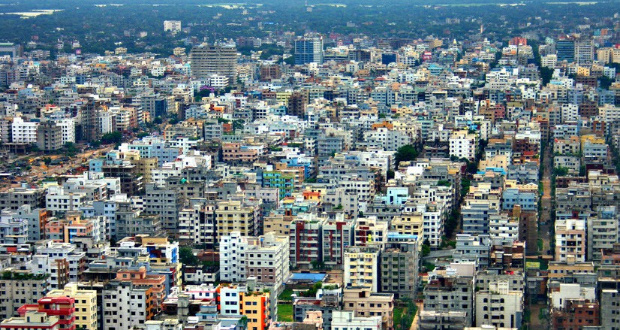
One of the fundamental cornerstones of progress of a country is urbanization. The term "urbanization" is closely linked to the term "development". Bangladesh has a high urbanization rate (Ahmed and Ahmed, 2017), and it is visible that the country is rapidly developing. The transition from an under-developed to a developing country was not easy. However, these advancements came at a price. Change in temperature is one of the outcomes of that price. The climate of Bangladesh was not the same half a century ago. In recent years, there have been considerable temperature fluctuations. During the last few years, Bangladesh's weather has been rapidly altering, reaching a critical point. Between the years of 1976 to now, Bangladesh has had an average temperature increase of 0.5°C. The rise in maximum temperature has not been consistent throughout the country. For example, maximum temperatures in the eastern portions (Chattogram and Sylhet divisions) of Bangladesh rose by 0.9°C, compared to a 0.5°C rise in the central parts spanning Dhaka and nearby districts. As a result summers are elongated, winters are warmer, and the monsoon is becoming increasingly unpredictable. Rapid urbanization creates a significant impact on urban land use and land cover , increasing the land surface temperature. Land use and land cover fluctuations are intimately linked to variations in land surface temperature and the intensity of Urban Heat Islands (UHI). The UHI phenomenon is caused by the fact that urban regions have greater air and surface temperatures than rural and suburban locations. The UHI effect arises as buildings, roads, and infrastructure absorb heat, causing temperatures in urban areas to be 1 to 7 degrees Fahrenheit hotter than in outlying areas. Although the impact is greater during the day, the slow release of heat from infrastructure overnight can keep cities substantially hotter than surrounding locations.
India targets net-zero carbon emissions by 2070, says Modi
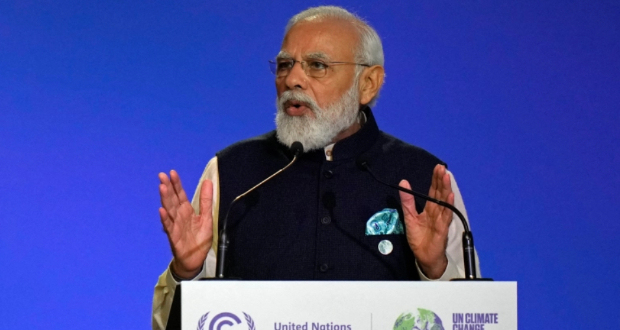
India’s economy will become carbon neutral by the year 2070, the country’s prime minster has announced at the COP26 climate crisis summit in Glasgow. The target date is two decades beyond what scientists say is needed to avert catastrophic climate impacts. India is the last of the world’s major carbon polluters to announce a net-zero target, with China saying it would reach that goal in 2060, and the United States and the European Union aiming for 2050.
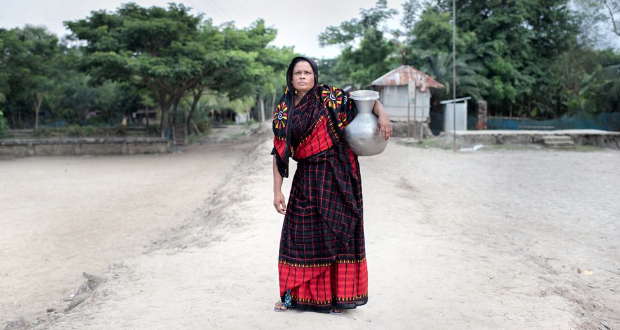
COP26: What climate summit means for one woman in Bangladesh
China's carbon emissions are vast and growing, dwarfing those of other countries. Experts agree that without big reductions in China's emissions, the world cannot win the fight against climate change. In 2020, China's President Xi Jinping said his country would aim for its emissions to reach their highest point before 2030 and for carbon neutrality before 2060. His statement has now been confirmed as China's official position ahead of the COP26 global climate summit in Glasgow. But China has not said exactly how these goals will be achieved.
Why China's climate policy matters to us all

China's carbon emissions are vast and growing, dwarfing those of other countries. Experts agree that without big reductions in China's emissions, the world cannot win the fight against climate change. In 2020, China's President Xi Jinping said his country would aim for its emissions to reach their highest point before 2030 and for carbon neutrality before 2060. His statement has now been confirmed as China's official position ahead of the COP26 global climate summit in Glasgow. But China has not said exactly how these goals will be achieved.
Deliver on promises, developing world tells rich at climate talks

A crucial U.N. conference heard calls on its first day for the world's major economies to keep their promises of financial help to address the climate crisis, while big polluters India and Brazil made new commitments to cut emissions. World leaders, environmental experts and activists all pleaded for decisive action to halt the global warming which threatens the future of the planet at the start of the two-week COP26 summit in the Scottish city of Glasgow on Monday. The task facing negotiators was made even more daunting by the failure of the Group of 20 major industrial nations to agree ambitious new commitments at the weekend.