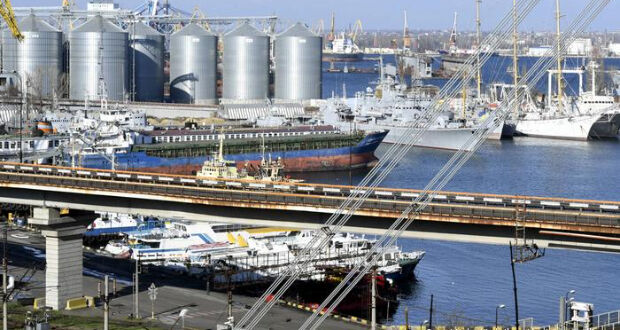
Russia-Ukraine updates: First grain shipment leaves Odesa
US Secretary of State Antony Blinken says he is "deeply concerned about the fact that Russia has taken over nuclear facilities in Ukraine." He was speaking to reporters at the United Nations in New York, where leaders are meeting for the 10th review conference of the Treaty on the Non-Proliferation of Nuclear Weapons (NPT). Blinken said Russia's occupation of Europe's largest nuclear power plant in Zaporizhzhya was the "height of irresponsibility." He said Moscow's forces were using the facility as a military base to fire at Ukrainians "knowing that they can't and won't shoot back because they might accidentally strike a nuclear reactor or highly radioactive waste in storage.'' International Atomic Energy Agency Director General Rafael Grossi told the conference that the situation at the Zaporizhzhya nuclear plant "is becoming more perilous by the day.'' UN Secretary-General Antonio Guterres said the conference was taking place "at a time of nuclear danger not seen since the height of the Cold War.'' German Foreign Minister Annalena Baerbock called for nuclear disarmament and said "Russia's brutal war of aggression" was a clear sign that "nuclear weapons are a bitter reality." Russian President Vladimir Putin did not attend the event, but wrote in a greeting statement to the conference: "We assume that there can be no winners in a nuclear war, and therefore one can never be allowed to start."
India targets net-zero carbon emissions by 2070, says Modi
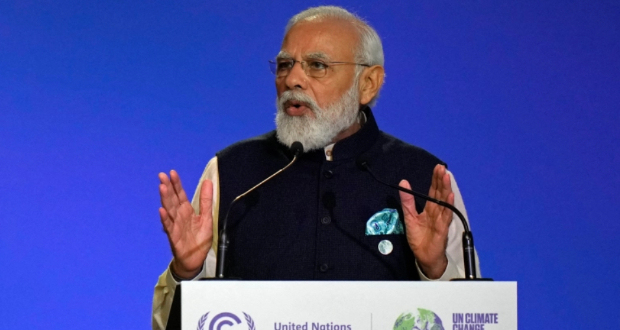
India’s economy will become carbon neutral by the year 2070, the country’s prime minster has announced at the COP26 climate crisis summit in Glasgow. The target date is two decades beyond what scientists say is needed to avert catastrophic climate impacts. India is the last of the world’s major carbon polluters to announce a net-zero target, with China saying it would reach that goal in 2060, and the United States and the European Union aiming for 2050.
COP26: What climate summit means for one woman in Bangladesh

China's carbon emissions are vast and growing, dwarfing those of other countries. Experts agree that without big reductions in China's emissions, the world cannot win the fight against climate change. In 2020, China's President Xi Jinping said his country would aim for its emissions to reach their highest point before 2030 and for carbon neutrality before 2060. His statement has now been confirmed as China's official position ahead of the COP26 global climate summit in Glasgow. But China has not said exactly how these goals will be achieved.
Why China's climate policy matters to us all
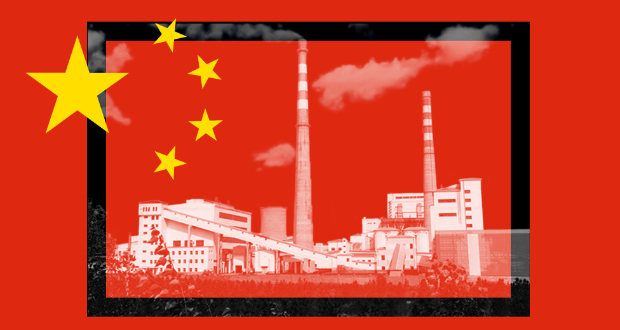
China's carbon emissions are vast and growing, dwarfing those of other countries. Experts agree that without big reductions in China's emissions, the world cannot win the fight against climate change. In 2020, China's President Xi Jinping said his country would aim for its emissions to reach their highest point before 2030 and for carbon neutrality before 2060. His statement has now been confirmed as China's official position ahead of the COP26 global climate summit in Glasgow. But China has not said exactly how these goals will be achieved.
Deliver on promises, developing world tells rich at climate talks

A crucial U.N. conference heard calls on its first day for the world's major economies to keep their promises of financial help to address the climate crisis, while big polluters India and Brazil made new commitments to cut emissions. World leaders, environmental experts and activists all pleaded for decisive action to halt the global warming which threatens the future of the planet at the start of the two-week COP26 summit in the Scottish city of Glasgow on Monday. The task facing negotiators was made even more daunting by the failure of the Group of 20 major industrial nations to agree ambitious new commitments at the weekend.