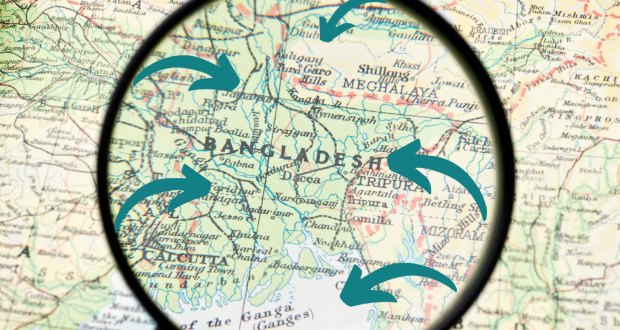
What have we done with our strategic assets?
Strategic assets are those that demand attention from the highest levels of the state, and are subject to interstate competition. For the leaders and decision-makers, it is not only important to identify a nation's strategic endowments, but also to manage and use them to further national interests. Of late, discourse on this particular issue has gained traction, definitional vagueness of the term notwithstanding. Such a discourse in Bangladesh, to identify the country's strategic assets, was essential so that the planners, policymakers and leaders could take informed decisions to stave off any extraneous influence on those on the one hand, while on the other, employ their inherent attributes to secure our national interests. Unfortunately, there has been a tendency, a mindset which clouded much of our thoughts, to make light of the geopolitical assets of Bangladesh and consequently minimise the inherent importance of many resources that nature has gifted us with. It had taken a long time to get in to our heads that neither is Bangladesh a basket case, nor does our location in the backwaters of the Bay of Bengal diminish our geopolitical importance. Thus, the general remark that Jeffrey Ding and Allan Dafoe makes in their very interesting article, referring to the world scenario in this regard that, "even as nations are increasingly concerned about strategies to build up technological advantages over their rivals, much more work needs to be done to understand the underlying logic of what makes an asset strategic", could not be more relevant in the case of Bangladesh. And a cursory look at how our strategic assets have been handled will make it amply clear whether our decision-makers have fully comprehended the fundamental rationale of "strategic asset".
India targets net-zero carbon emissions by 2070, says Modi
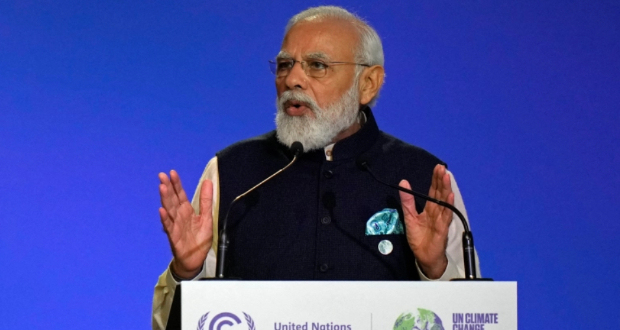
India’s economy will become carbon neutral by the year 2070, the country’s prime minster has announced at the COP26 climate crisis summit in Glasgow. The target date is two decades beyond what scientists say is needed to avert catastrophic climate impacts. India is the last of the world’s major carbon polluters to announce a net-zero target, with China saying it would reach that goal in 2060, and the United States and the European Union aiming for 2050.
COP26: What climate summit means for one woman in Bangladesh

China's carbon emissions are vast and growing, dwarfing those of other countries. Experts agree that without big reductions in China's emissions, the world cannot win the fight against climate change. In 2020, China's President Xi Jinping said his country would aim for its emissions to reach their highest point before 2030 and for carbon neutrality before 2060. His statement has now been confirmed as China's official position ahead of the COP26 global climate summit in Glasgow. But China has not said exactly how these goals will be achieved.
Why China's climate policy matters to us all
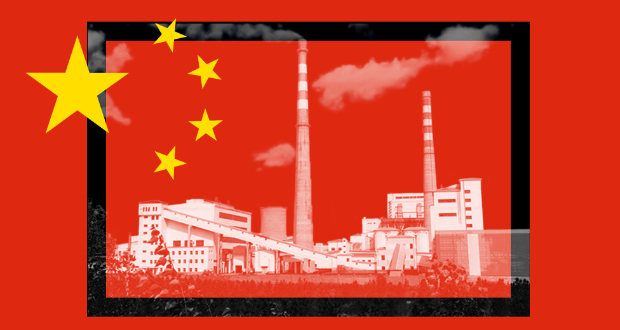
China's carbon emissions are vast and growing, dwarfing those of other countries. Experts agree that without big reductions in China's emissions, the world cannot win the fight against climate change. In 2020, China's President Xi Jinping said his country would aim for its emissions to reach their highest point before 2030 and for carbon neutrality before 2060. His statement has now been confirmed as China's official position ahead of the COP26 global climate summit in Glasgow. But China has not said exactly how these goals will be achieved.
Deliver on promises, developing world tells rich at climate talks

A crucial U.N. conference heard calls on its first day for the world's major economies to keep their promises of financial help to address the climate crisis, while big polluters India and Brazil made new commitments to cut emissions. World leaders, environmental experts and activists all pleaded for decisive action to halt the global warming which threatens the future of the planet at the start of the two-week COP26 summit in the Scottish city of Glasgow on Monday. The task facing negotiators was made even more daunting by the failure of the Group of 20 major industrial nations to agree ambitious new commitments at the weekend.