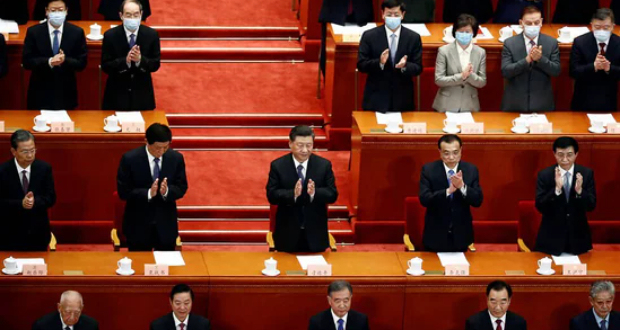
Has China strategically over-stretched itself on BRI and Indo-Pacific?
With several countries in Indian sub-continent and Africa squeezed by the Chinese Belt Road Initiative debt trap and the Indo-Pacific rattled by PLA’s belligerence since the past decade, the global mood over Beijing is overall negative as President Xi Jinping along with his “no limits” friend Vladimir Putin of Russia are seen as two major contributors to global instability. While only an unforeseen political catastrophe can prevent President Xi Jinping from securing his third term and becoming China’s eternal leader in late 2022, the autocrat is clearly in for a most challenging term with the Communist nation showing signs of strategic over-stretch on both foreign and domestic fronts. President Xi’s “Chinese Dream” for national rejuvenation, floated when he took over the Middle Kingdom in 2012, today faces serious challenges with economic downturn and growth forecasts cut, increased Covid cases leading to draconian lockdowns and increasingly restive population, and a seemingly unrepairable crack in its bilateral relations with the US post House Speaker Nancy Pelosi’s visit to Taiwan this month. While President Xi’s power projection over Taipei in the form of flying over 400 fighters, nuclear capable bombers and numerous warships in Taiwan Straits may have won him brownie points with his domestic audience and supporters of Communist Party of China (CPC) abroad, there is little evidence that Beijing will resort to force application on the breakaway Republic without paying huge political and economic costs.
India targets net-zero carbon emissions by 2070, says Modi
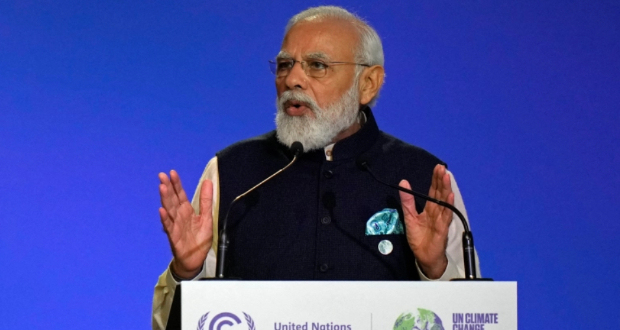
India’s economy will become carbon neutral by the year 2070, the country’s prime minster has announced at the COP26 climate crisis summit in Glasgow. The target date is two decades beyond what scientists say is needed to avert catastrophic climate impacts. India is the last of the world’s major carbon polluters to announce a net-zero target, with China saying it would reach that goal in 2060, and the United States and the European Union aiming for 2050.
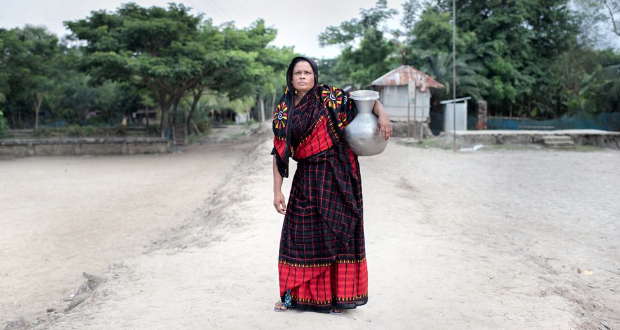
COP26: What climate summit means for one woman in Bangladesh
China's carbon emissions are vast and growing, dwarfing those of other countries. Experts agree that without big reductions in China's emissions, the world cannot win the fight against climate change. In 2020, China's President Xi Jinping said his country would aim for its emissions to reach their highest point before 2030 and for carbon neutrality before 2060. His statement has now been confirmed as China's official position ahead of the COP26 global climate summit in Glasgow. But China has not said exactly how these goals will be achieved.
Why China's climate policy matters to us all
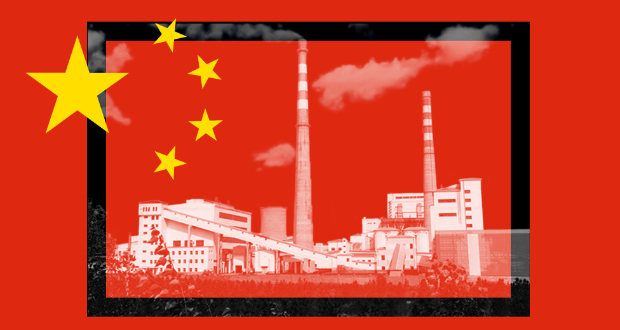
China's carbon emissions are vast and growing, dwarfing those of other countries. Experts agree that without big reductions in China's emissions, the world cannot win the fight against climate change. In 2020, China's President Xi Jinping said his country would aim for its emissions to reach their highest point before 2030 and for carbon neutrality before 2060. His statement has now been confirmed as China's official position ahead of the COP26 global climate summit in Glasgow. But China has not said exactly how these goals will be achieved.
Deliver on promises, developing world tells rich at climate talks

A crucial U.N. conference heard calls on its first day for the world's major economies to keep their promises of financial help to address the climate crisis, while big polluters India and Brazil made new commitments to cut emissions. World leaders, environmental experts and activists all pleaded for decisive action to halt the global warming which threatens the future of the planet at the start of the two-week COP26 summit in the Scottish city of Glasgow on Monday. The task facing negotiators was made even more daunting by the failure of the Group of 20 major industrial nations to agree ambitious new commitments at the weekend.