Putin’s Brutal War Shows the Dilemmas of Nuclear Deterrence
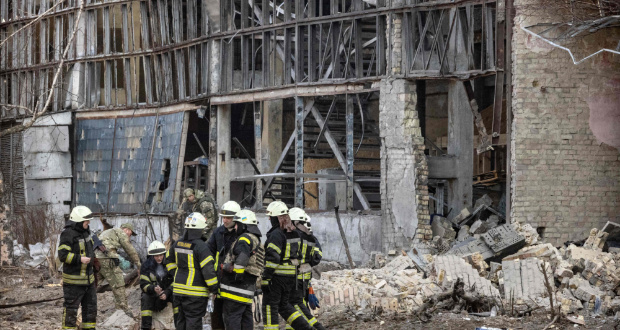
Even without having been used yet, nuclear weapons have shaped the war in Ukraine—and its outcomes will shape our views of nuclear weapons for years to come. The power of nuclear deterrence has added to the destruction that Russia has inflicted on Ukraine while reducing the chances that conflict will spread into NATO territory. For now, Russia and NATO are effectively deterring each other—to some degree—while Ukraine is caught in between. NATO countries are acting more cautiously than they would be if Russia were not nuclear-armed. It’s tricky to measure this effect, or to separate the influence of nuclear weapons from fear of a wider conventional war, but it’s present, nonetheless. Yet deterrence is neither as stable as some strategists insist nor as easy to escape as some disarmament advocates hope. Nuclear weapons have not deterred NATO countries from openly and heavily arming Ukraine or from imposing harsh sanctions on Russia and furthering its international isolation. As Russia’s violence against Ukraine continues to increase, so will NATO’s support to Ukraine, as well as public pressure for direct intervention. Some Western voices are already arguing that NATO has allowed itself to be too cowed by Russian nuclear threats, not just in ruling out direct military action but by avoiding some showier measures, such as the proposed transfer of Polish MiG-29 aircraft to Ukraine. Wherever the war goes from here, it’s clear that nuclear deterrence is not automatic or inherent to the mere possession of nuclear weapons. It does not exist unless the other side believes there is a real, credible chance you would use the weapon. And credibility, as we can see in this war, depends on the stakes at play and the appetite for risk of the actors involved.
India targets net-zero carbon emissions by 2070, says Modi
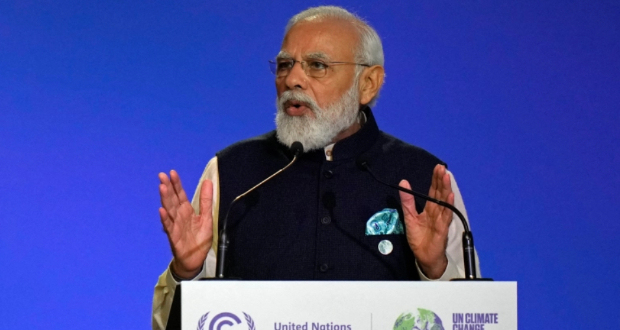
India’s economy will become carbon neutral by the year 2070, the country’s prime minster has announced at the COP26 climate crisis summit in Glasgow. The target date is two decades beyond what scientists say is needed to avert catastrophic climate impacts. India is the last of the world’s major carbon polluters to announce a net-zero target, with China saying it would reach that goal in 2060, and the United States and the European Union aiming for 2050.
COP26: What climate summit means for one woman in Bangladesh

China's carbon emissions are vast and growing, dwarfing those of other countries. Experts agree that without big reductions in China's emissions, the world cannot win the fight against climate change. In 2020, China's President Xi Jinping said his country would aim for its emissions to reach their highest point before 2030 and for carbon neutrality before 2060. His statement has now been confirmed as China's official position ahead of the COP26 global climate summit in Glasgow. But China has not said exactly how these goals will be achieved.
Why China's climate policy matters to us all
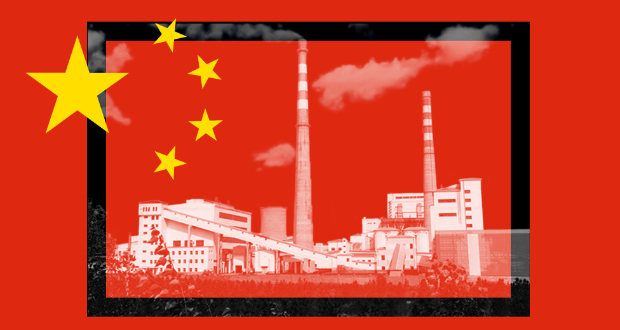
China's carbon emissions are vast and growing, dwarfing those of other countries. Experts agree that without big reductions in China's emissions, the world cannot win the fight against climate change. In 2020, China's President Xi Jinping said his country would aim for its emissions to reach their highest point before 2030 and for carbon neutrality before 2060. His statement has now been confirmed as China's official position ahead of the COP26 global climate summit in Glasgow. But China has not said exactly how these goals will be achieved.
Deliver on promises, developing world tells rich at climate talks

A crucial U.N. conference heard calls on its first day for the world's major economies to keep their promises of financial help to address the climate crisis, while big polluters India and Brazil made new commitments to cut emissions. World leaders, environmental experts and activists all pleaded for decisive action to halt the global warming which threatens the future of the planet at the start of the two-week COP26 summit in the Scottish city of Glasgow on Monday. The task facing negotiators was made even more daunting by the failure of the Group of 20 major industrial nations to agree ambitious new commitments at the weekend.