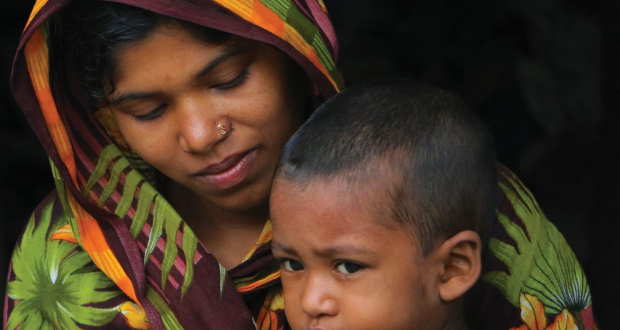
Reproductive Health Management in the Climate Change affected areas in Bangladesh
Bangladesh is one of the most vulnerable countries to climate change in the world, likely to suffer worse in the future than any other South Asian country. While climate change impacts all genders, girls and women face heightened vulnerability to the effects of climate change as their reproductive health also gets affected by poor facilities and access to other infrastructure. The geographical location of Bangladesh shows that flooding, drought, and cyclones are common challenges that the country is facing periodically every year. The UN has found Bangladesh to be among the five most hazard-prone countries in Asia and the Pacific according to the 2021 Regional Focus Model (RFM) on disaster vulnerability. All these impacts of climate change do not only affect Bangladesh’s economic and social aspects, but also seriously makes the women and children vulnerable in terms of sexual and reproductive health and rights (SRHR) aspects. The fact is environmental crises like drought, heavy rainfall, flood, extreme heat, increased salinity and other climate-related phenomena can increase the risk of maternal and newborn ill health, increased child marriage, and gender-based violence in Bangladesh. Women and children become the most vulnerable during and after the disasters as impacts of climate change. Women are especially vulnerable here due to lack of access or facilities to medical care, services, Sexual and Reproductive Health Rights (SRHR) services, adolescent Sexual and Reproductive Health (SRH) services, and maternity and pregnancy related services. They are also being deprived of security, privacy, safety, and the scarcity of hygiene products such as sanitary napkins and most importantly, also being deprived of the dignity of human life during the crisis period.
India targets net-zero carbon emissions by 2070, says Modi
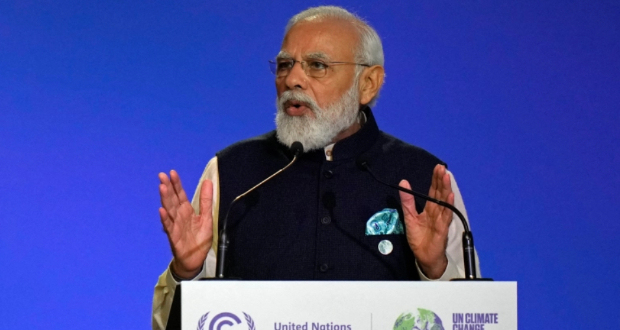
India’s economy will become carbon neutral by the year 2070, the country’s prime minster has announced at the COP26 climate crisis summit in Glasgow. The target date is two decades beyond what scientists say is needed to avert catastrophic climate impacts. India is the last of the world’s major carbon polluters to announce a net-zero target, with China saying it would reach that goal in 2060, and the United States and the European Union aiming for 2050.
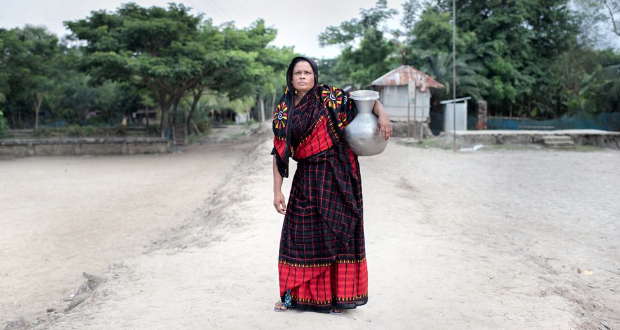
COP26: What climate summit means for one woman in Bangladesh
China's carbon emissions are vast and growing, dwarfing those of other countries. Experts agree that without big reductions in China's emissions, the world cannot win the fight against climate change. In 2020, China's President Xi Jinping said his country would aim for its emissions to reach their highest point before 2030 and for carbon neutrality before 2060. His statement has now been confirmed as China's official position ahead of the COP26 global climate summit in Glasgow. But China has not said exactly how these goals will be achieved.
Why China's climate policy matters to us all
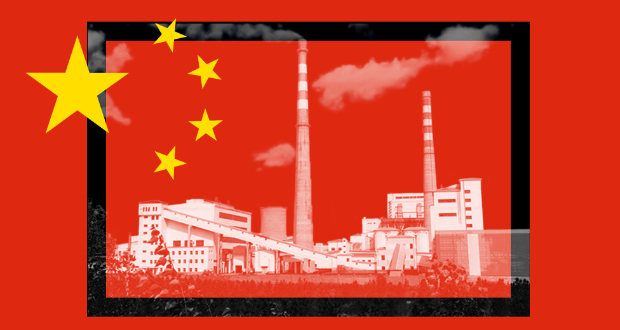
China's carbon emissions are vast and growing, dwarfing those of other countries. Experts agree that without big reductions in China's emissions, the world cannot win the fight against climate change. In 2020, China's President Xi Jinping said his country would aim for its emissions to reach their highest point before 2030 and for carbon neutrality before 2060. His statement has now been confirmed as China's official position ahead of the COP26 global climate summit in Glasgow. But China has not said exactly how these goals will be achieved.
Deliver on promises, developing world tells rich at climate talks

A crucial U.N. conference heard calls on its first day for the world's major economies to keep their promises of financial help to address the climate crisis, while big polluters India and Brazil made new commitments to cut emissions. World leaders, environmental experts and activists all pleaded for decisive action to halt the global warming which threatens the future of the planet at the start of the two-week COP26 summit in the Scottish city of Glasgow on Monday. The task facing negotiators was made even more daunting by the failure of the Group of 20 major industrial nations to agree ambitious new commitments at the weekend.