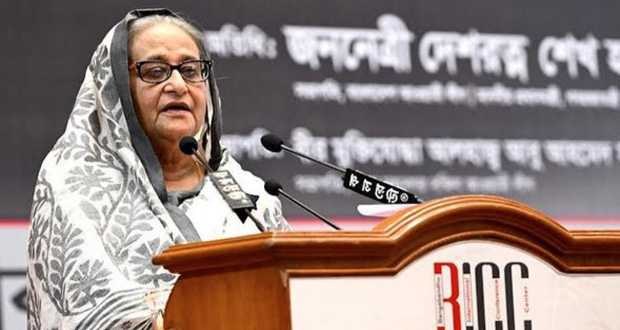
Bangladesh will never face situation like Sri Lanka, says PM
Prime Minister Sheikh Hasina has expressed her firm conviction that Bangladesh will never plunge into Sri Lanka-like situation for its development spree, rather the country will continue to move ahead overcoming all global challenges. "Remember one thing (my party leaders and activists) that Bangladesh will never be Sri Lanka, can't be . . .," she said at a discussion as the chief guest. The premier, however, said that Bangladesh had to face Sri Lanka-like situation in the regime of BNP, but Awami League (AL) government has pulled the country out of that state, reports BSS. Dhaka South City AL and Dhaka North City AL jointly organised the discussion in the city's Bangabandhu International Conference Center (BICC), marking the National Mourning Day and 47th martyrdom anniversary of Father of the Nation Bangabandhu Sheikh Mujibur Rahman. Sheikh Hasina, also the ruling AL president, said during BNP's regime in 2001-2006, Bangladesh became champion in corruption for five consecutive times, while the country saw huge price hike of essential commodities, and scarcity of electricity, water and employment. She also said Bangladesh witnessed militancy, terrorism, grenade attack, August 21 grade attack, grenade attack in 500 places across the country, former finance minister Kibria murder and bomb attack in many places as well. She added that, "Bangladesh's economy came to standstill due to terrorism, militancy and corruption." The prime minister continued that people at that time (BNP's regime) took to the street, actually they were compelled to come down on the street. She said, "AL government has rescued the country from that state. So, why will Bangladesh become Sri Lanka today?"
India targets net-zero carbon emissions by 2070, says Modi
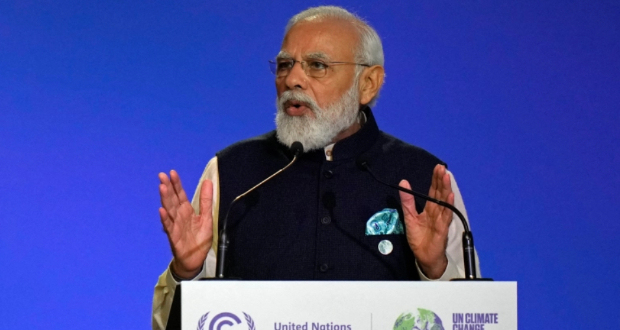
India’s economy will become carbon neutral by the year 2070, the country’s prime minster has announced at the COP26 climate crisis summit in Glasgow. The target date is two decades beyond what scientists say is needed to avert catastrophic climate impacts. India is the last of the world’s major carbon polluters to announce a net-zero target, with China saying it would reach that goal in 2060, and the United States and the European Union aiming for 2050.
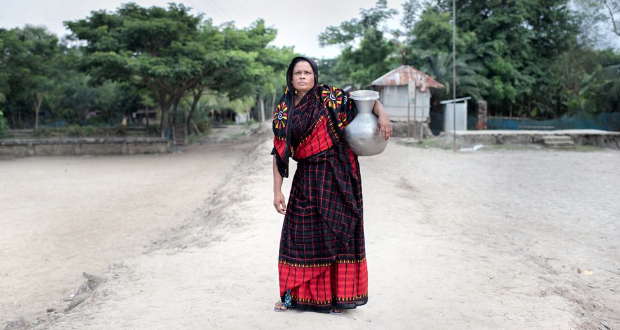
COP26: What climate summit means for one woman in Bangladesh
China's carbon emissions are vast and growing, dwarfing those of other countries. Experts agree that without big reductions in China's emissions, the world cannot win the fight against climate change. In 2020, China's President Xi Jinping said his country would aim for its emissions to reach their highest point before 2030 and for carbon neutrality before 2060. His statement has now been confirmed as China's official position ahead of the COP26 global climate summit in Glasgow. But China has not said exactly how these goals will be achieved.
Why China's climate policy matters to us all
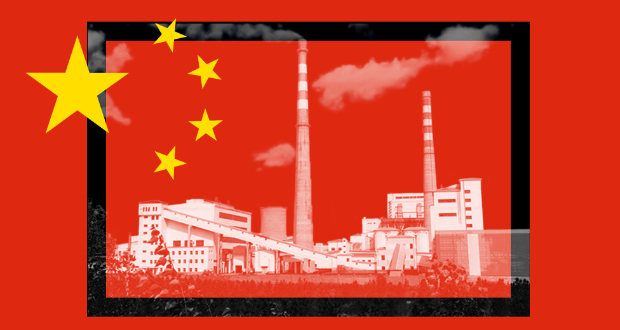
China's carbon emissions are vast and growing, dwarfing those of other countries. Experts agree that without big reductions in China's emissions, the world cannot win the fight against climate change. In 2020, China's President Xi Jinping said his country would aim for its emissions to reach their highest point before 2030 and for carbon neutrality before 2060. His statement has now been confirmed as China's official position ahead of the COP26 global climate summit in Glasgow. But China has not said exactly how these goals will be achieved.
Deliver on promises, developing world tells rich at climate talks

A crucial U.N. conference heard calls on its first day for the world's major economies to keep their promises of financial help to address the climate crisis, while big polluters India and Brazil made new commitments to cut emissions. World leaders, environmental experts and activists all pleaded for decisive action to halt the global warming which threatens the future of the planet at the start of the two-week COP26 summit in the Scottish city of Glasgow on Monday. The task facing negotiators was made even more daunting by the failure of the Group of 20 major industrial nations to agree ambitious new commitments at the weekend.