
'Bangladesh blue chip stocks undervalued, offer investment opportunity'
Due to the depreciation of the Taka, foreign investors have been selling Bangladeshi equities and as they mostly deal with large-cap stocks having sound fundamentals, the blue-chip shares are suffering from oversupply in the bourses, said an asset manager Mohammad Emran Hasan. As soon as the foreigners' selloff would end, blue-chip shares should turn around from the current depressed price level, believes Emran Hasan, the chief executive officer (CEO) of Shanta Asset Management Ltd – a new generation asset management firm managing over Tk200 crore capital market funds. "Prices of many blue-chip stocks are depressed nowadays, despite the fact that the companies are growing in business," he was speaking at The Business Standard's capital market show TBS Money on Saturday. Amid the high inflation, savers' wealth is at risk of gradual erosion as the fixed income investment tools are underperforming the real-life inflation and investing a portion of savings in the stock market can push one's wealth upward in the long term, he said. "The stock market investments must be done with the right approach and in a disciplined and informed manner to avert the even bigger risk of losing too much," the asset manager said. Starting small and keeping learning to prepare oneself for calculative risk-taking that has the potential to generate an enormous return over years, should be the approach that any saver can embrace, Emran said. And those who are unlikely to invest time and effort to learn should go to reliable investment professionals for managing his/her money, instead of making mistakes that include herding, making investment decisions based on fear and greed, and repeating the same mistakes in the market, he said.
India targets net-zero carbon emissions by 2070, says Modi
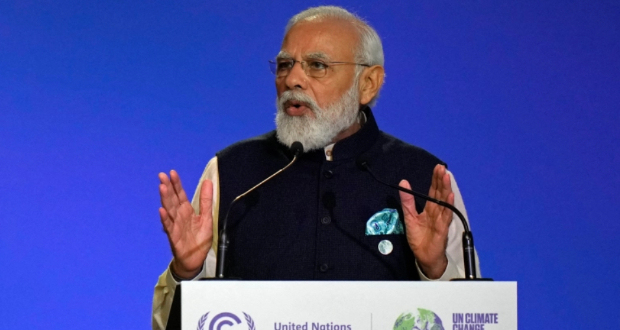
India’s economy will become carbon neutral by the year 2070, the country’s prime minster has announced at the COP26 climate crisis summit in Glasgow. The target date is two decades beyond what scientists say is needed to avert catastrophic climate impacts. India is the last of the world’s major carbon polluters to announce a net-zero target, with China saying it would reach that goal in 2060, and the United States and the European Union aiming for 2050.
COP26: What climate summit means for one woman in Bangladesh

China's carbon emissions are vast and growing, dwarfing those of other countries. Experts agree that without big reductions in China's emissions, the world cannot win the fight against climate change. In 2020, China's President Xi Jinping said his country would aim for its emissions to reach their highest point before 2030 and for carbon neutrality before 2060. His statement has now been confirmed as China's official position ahead of the COP26 global climate summit in Glasgow. But China has not said exactly how these goals will be achieved.
Why China's climate policy matters to us all
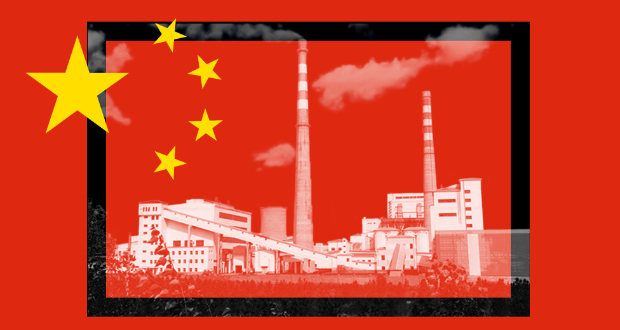
China's carbon emissions are vast and growing, dwarfing those of other countries. Experts agree that without big reductions in China's emissions, the world cannot win the fight against climate change. In 2020, China's President Xi Jinping said his country would aim for its emissions to reach their highest point before 2030 and for carbon neutrality before 2060. His statement has now been confirmed as China's official position ahead of the COP26 global climate summit in Glasgow. But China has not said exactly how these goals will be achieved.
Deliver on promises, developing world tells rich at climate talks

A crucial U.N. conference heard calls on its first day for the world's major economies to keep their promises of financial help to address the climate crisis, while big polluters India and Brazil made new commitments to cut emissions. World leaders, environmental experts and activists all pleaded for decisive action to halt the global warming which threatens the future of the planet at the start of the two-week COP26 summit in the Scottish city of Glasgow on Monday. The task facing negotiators was made even more daunting by the failure of the Group of 20 major industrial nations to agree ambitious new commitments at the weekend.