Prospect of trilateral cooperation
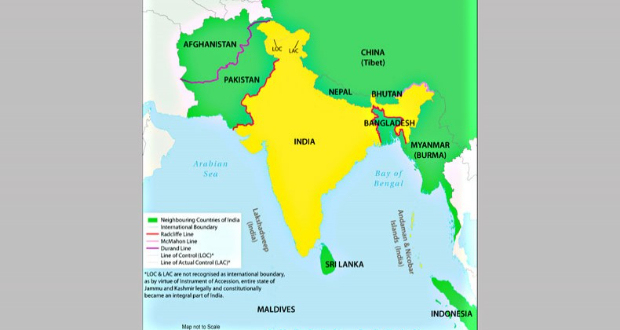
Connectivity is the cornerstone of any regional economic cooperation and integration. The effectiveness of regional networks in facilitating the flow of goods, services, people and knowledge can be defined as regional connectedness. Countries can benefit from regional and sub-regional cooperation through connectivity for sustainable economic development, terrorism prevention, climate change mitigation and poverty reduction. Geographically, Bangladesh has two neighbouring countries, having two seaports. When it comes to leveraging connectivity initiatives in South and Southeast Asia, Bangladesh has huge potential. Trilateral cooperation between Bangladesh and its two neighbours, India and Myanmar, can boost the region’s regional socio-economic and security status. The foreign policy of Bangladesh suggests continued friendship with all countries and the government is strongly following the policy of ‘friendship to all, malice towards none’. Myanmar is Bangladesh’s next-door neighbour, with which Bangladesh shares a border with India. Myanmar and Bangladesh are almost on the same geopolitical axis, yet trade and other bilateral issues have never been effectively handled. Bangladesh and Myanmar’s relationship has changed in the twenty-first century. The initial lack of convergence between India and Bangladesh’s energy policies aided China’s successful implementation of a Myanmar-China gas (and oil) pipeline project. Beyond trade and other collaborations, national security is another aspect of Bangladesh-India relations. Bangladesh shares 1,879 kilometres of border with India’s north-eastern region. India’ north-eastern region is home to 475 ethnic groups which makes the region complex from socioeconomic and security perspectives. Bangladesh and India are now focusing on connectivity to enhance and secure their bilateral trade and address security concerns. For an improved trade relation between Bangladesh and the Seven Sister region, according to the ministry of external affairs, a total of 31 projects are at various stages of implementation. The government of India is actively involved in over a dozen projects in Myanmar. Among them, most prominent are the 160 kilometre long Tamu-Kalewa-Kalemyo road, the construction of the Rhi-Tiddim road in Myanmar and the Kaladan Multimodal Transport Project.
India targets net-zero carbon emissions by 2070, says Modi
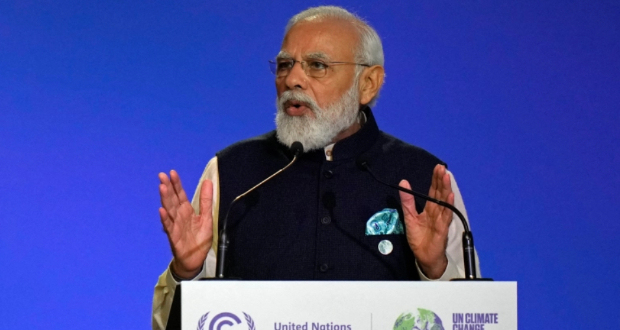
India’s economy will become carbon neutral by the year 2070, the country’s prime minster has announced at the COP26 climate crisis summit in Glasgow. The target date is two decades beyond what scientists say is needed to avert catastrophic climate impacts. India is the last of the world’s major carbon polluters to announce a net-zero target, with China saying it would reach that goal in 2060, and the United States and the European Union aiming for 2050.
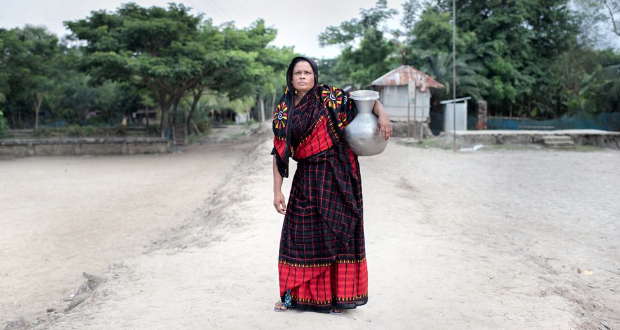
COP26: What climate summit means for one woman in Bangladesh
China's carbon emissions are vast and growing, dwarfing those of other countries. Experts agree that without big reductions in China's emissions, the world cannot win the fight against climate change. In 2020, China's President Xi Jinping said his country would aim for its emissions to reach their highest point before 2030 and for carbon neutrality before 2060. His statement has now been confirmed as China's official position ahead of the COP26 global climate summit in Glasgow. But China has not said exactly how these goals will be achieved.
Why China's climate policy matters to us all
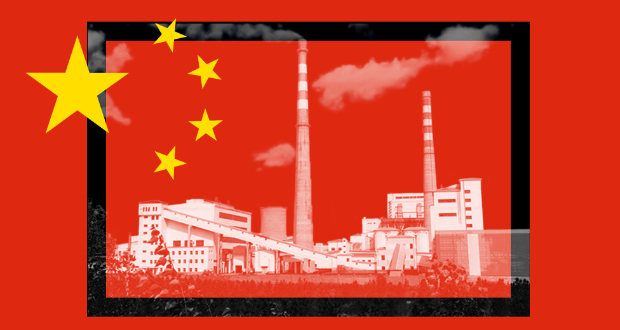
China's carbon emissions are vast and growing, dwarfing those of other countries. Experts agree that without big reductions in China's emissions, the world cannot win the fight against climate change. In 2020, China's President Xi Jinping said his country would aim for its emissions to reach their highest point before 2030 and for carbon neutrality before 2060. His statement has now been confirmed as China's official position ahead of the COP26 global climate summit in Glasgow. But China has not said exactly how these goals will be achieved.
Deliver on promises, developing world tells rich at climate talks

A crucial U.N. conference heard calls on its first day for the world's major economies to keep their promises of financial help to address the climate crisis, while big polluters India and Brazil made new commitments to cut emissions. World leaders, environmental experts and activists all pleaded for decisive action to halt the global warming which threatens the future of the planet at the start of the two-week COP26 summit in the Scottish city of Glasgow on Monday. The task facing negotiators was made even more daunting by the failure of the Group of 20 major industrial nations to agree ambitious new commitments at the weekend.