
India, Bangladesh vow to jointly combat terrorism, extremism
India and Bangladesh have reaffirmed their strong commitment to combating and preventing the spread of terrorism, violent extremism, and radicalization in the region and beyond, and have decided to strengthen their cooperation in this regard. Bangladesh Prime Minister Sheikh Hasina arrived in India on Monday for a four-day visit. She met with her Indian counterpart Narendra Modi and discussed various bilateral issues, according to a joint statement issued by the Ministry of External Affairs on Wednesday. Both prime ministers held a restricted meeting and tete-a-tete, followed by delegation-level talks on Tuesday. India and Bangladesh have agreed to collaborate in new areas such as environment, climate change, cyber security, information and communication technology, space technology, green energy, and the blue economy. The incidents of Indian border security forces shooting and killing Bangladeshi people near the border were also discussed. Odhikar, a local human rights organization based in Bangladesh, claimed in its latest report that Indian forces have killed over 1,200 Bangladeshis across the border over the last two decades, the majority of whom were unarmed civilians. “Noting with satisfaction that the number of deaths due to incidents along the border has significantly reduced, both sides agreed to work towards bringing the number down to zero. Both sides noted with appreciation the stepped up efforts by the two border guarding forces against smuggling of arms, narcotics and fake currency and to prevent trafficking, particularly of women and children,” the statement said. “The two leaders appreciated the growth in bilateral trade, with India emerging as the largest export destination for Bangladesh in Asia,” the statement said, adding that the Bangladesh side requested from India a predictable supply of essential food commodities such as rice, wheat, sugar, onion, ginger, and garlic. The Indian side conveyed that Bangladesh’s requests will be favorably considered based on prevalent supply conditions in the country and that all efforts will be made in this regard, it added. Sheikh Hasina also called on Indian President Droupadi Murmu and Vice President Jagdeep Dhankhar. Hasina also launched the "Bangabandhu Sheikh Mujibur Rahman Student Scholarship” for 200 descendants of Indian Armed Forces personnel killed or critically injured during the Liberation War of Bangladesh in 1971.
India targets net-zero carbon emissions by 2070, says Modi
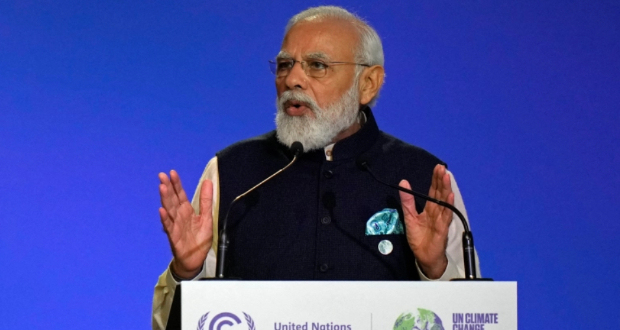
India’s economy will become carbon neutral by the year 2070, the country’s prime minster has announced at the COP26 climate crisis summit in Glasgow. The target date is two decades beyond what scientists say is needed to avert catastrophic climate impacts. India is the last of the world’s major carbon polluters to announce a net-zero target, with China saying it would reach that goal in 2060, and the United States and the European Union aiming for 2050.
COP26: What climate summit means for one woman in Bangladesh
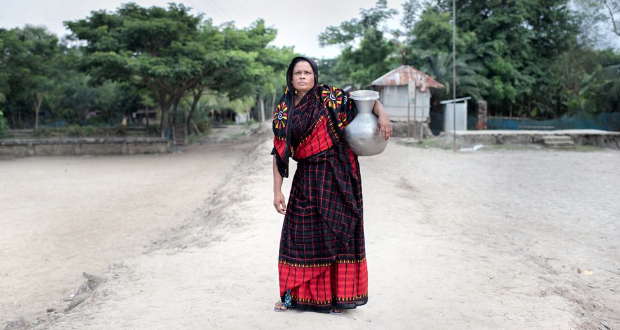
China's carbon emissions are vast and growing, dwarfing those of other countries. Experts agree that without big reductions in China's emissions, the world cannot win the fight against climate change. In 2020, China's President Xi Jinping said his country would aim for its emissions to reach their highest point before 2030 and for carbon neutrality before 2060. His statement has now been confirmed as China's official position ahead of the COP26 global climate summit in Glasgow. But China has not said exactly how these goals will be achieved.
Why China's climate policy matters to us all
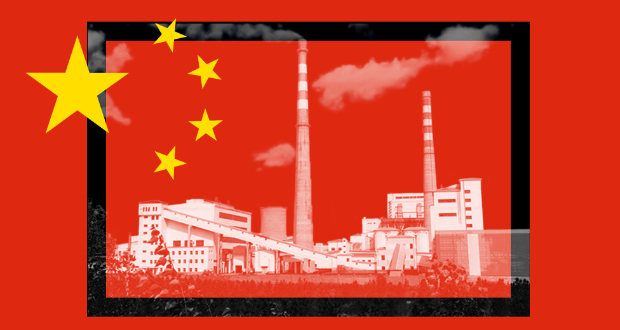
China's carbon emissions are vast and growing, dwarfing those of other countries. Experts agree that without big reductions in China's emissions, the world cannot win the fight against climate change. In 2020, China's President Xi Jinping said his country would aim for its emissions to reach their highest point before 2030 and for carbon neutrality before 2060. His statement has now been confirmed as China's official position ahead of the COP26 global climate summit in Glasgow. But China has not said exactly how these goals will be achieved.
Deliver on promises, developing world tells rich at climate talks

A crucial U.N. conference heard calls on its first day for the world's major economies to keep their promises of financial help to address the climate crisis, while big polluters India and Brazil made new commitments to cut emissions. World leaders, environmental experts and activists all pleaded for decisive action to halt the global warming which threatens the future of the planet at the start of the two-week COP26 summit in the Scottish city of Glasgow on Monday. The task facing negotiators was made even more daunting by the failure of the Group of 20 major industrial nations to agree ambitious new commitments at the weekend.